High-rise buildings are constantly exposed to dust, pollution, rain, bird droppings, and changing weather conditions. Over time, these elements can affect the appearance of exterior surfaces and make routine maintenance necessary. For decades, keeping tall buildings clean meant relying on scaffolding, suspended platforms, lifts, and specialized crews working at significant heights.
Today, technology is opening the door to different approaches. One method attracting growing attention is drone power washing. By combining cleaning equipment with advanced drone systems, property managers now have another option to consider when planning exterior maintenance projects.
Traditional Methods Require Significant Preparation
Cleaning the exterior of a tall building involves much more than simply washing the surface. Before any work begins, crews often spend considerable time preparing equipment and organizing the work area.
A typical project may involve:
- Delivering equipment to the site
- Setting up scaffolding or lifts
- Creating safety barriers
- Conducting inspections
- Coordinating worker access
For larger buildings, preparation can sometimes take nearly as much time as the cleaning itself. Weather conditions may also affect schedules, creating delays that extend project timelines.
While these methods have been used successfully for many years, they often require extensive planning and resources.
Safety Continues To Shape Maintenance Decisions
Working at height has always been one of the biggest challenges associated with exterior building maintenance. Even experienced crews must account for changing weather, equipment performance, and the physical demands of the job.
Some common concerns include:
- Falls from elevated positions
- High winds
- Equipment malfunctions
- Worker fatigue
- Limited visibility in certain areas
Because of these challenges, building owners and maintenance professionals continue looking for ways to reduce unnecessary risks.
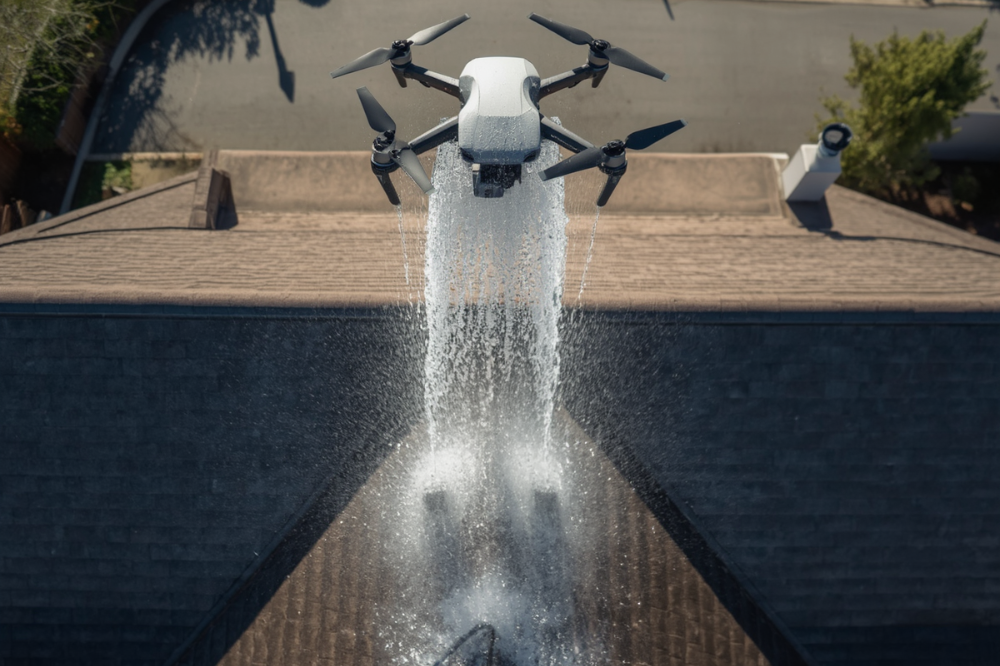
Drone-assisted cleaning allows operators to perform certain tasks without requiring workers to spend long periods suspended on the side of a building. Although safety procedures remain essential, reducing direct exposure to elevated work environments is one reason this technology has gained attention.
Accessing Complex Building Features
Modern architecture often includes design elements that make maintenance more difficult. Features that look impressive from the ground can sometimes create challenges when cleaning crews need to reach them.
Examples include:
- Curved glass sections
- Decorative exterior details
- Recessed windows
- Rooftop structures
- Narrow spaces between buildings
Traditional equipment may require additional setup to reach these areas effectively.
Drone cleaning technology offers greater flexibility when navigating around exterior surfaces. This mobility allows operators to approach certain sections of a building from angles that may be difficult to access using conventional equipment alone.
As buildings continue becoming more architecturally complex, accessibility remains an important consideration during maintenance planning.
Minimizing Disruption Around Occupied Properties
Many high-rise buildings remain fully operational while maintenance work is taking place. Office employees continue working, residents come and go throughout the day, and visitors still need access to the property.
Traditional cleaning operations can sometimes create disruptions such as:
- Restricted walkways
- Temporary closures
- Noise from setup activities
- Equipment occupying common areas
These inconveniences may not always be avoidable, but reducing them is often a priority.
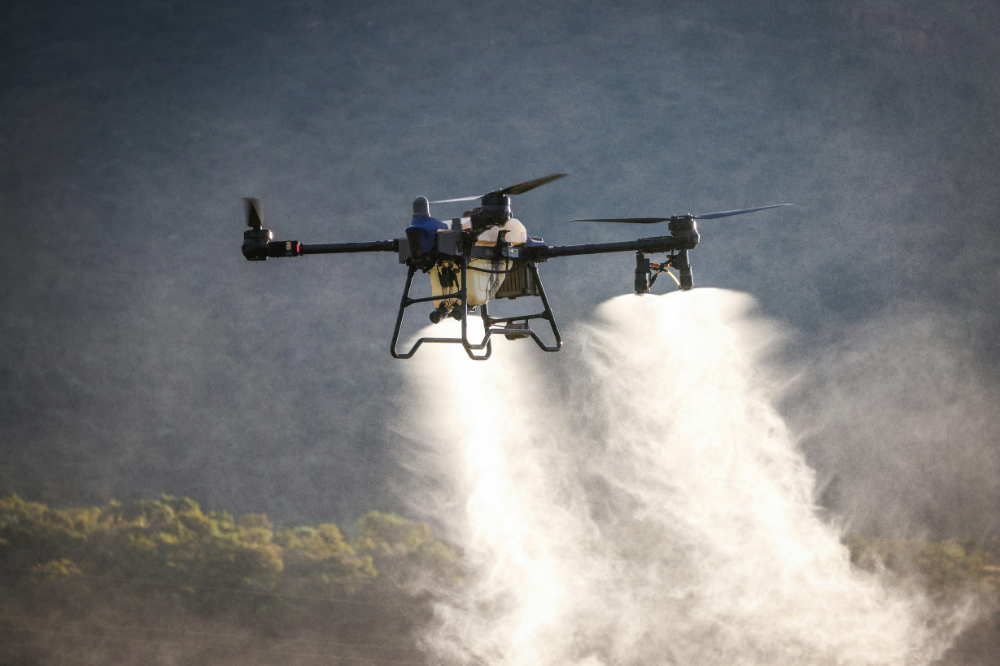
Aerial cleaning systems generally require less ground-based infrastructure than large scaffold installations. As a result, maintenance activities may have a smaller impact on the daily movement of people around the property. For busy commercial and residential buildings, this can be a valuable advantage.
Technology Is Influencing The Future Of Building Maintenance
The use of drones in property management extends beyond cleaning. Over the last several years, drones have become useful tools for inspections, surveying, mapping, and infrastructure assessments. Cleaning applications represent another step in that broader evolution.
Property managers often evaluate maintenance strategies based on several factors:
- Safety requirements
- Accessibility
- Project timelines
- Operational impact
- Resource efficiency
As technology continues to improve, drone-based exterior maintenance is becoming an increasingly common topic within the industry. While traditional methods will continue serving many important functions, newer solutions are expanding the range of available options.
The growing interest in these technologies reflects a wider effort to improve how buildings are maintained in modern urban environments.
Conclusion
High-rise maintenance has always required careful planning, specialized equipment, and experienced professionals. Although traditional cleaning methods remain an important part of the industry, technological advancements are creating new possibilities for maintaining tall structures.
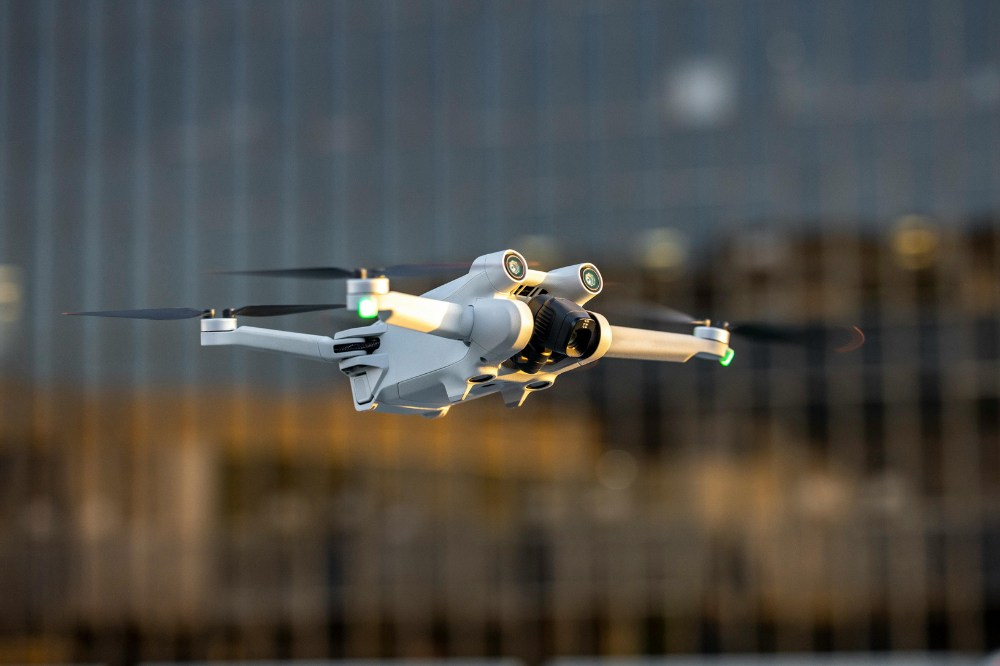
The increasing adoption of drone power washing highlights how maintenance practices continue to evolve. By offering improved access to challenging areas, supporting safer operations, and helping reduce disruptions, drone-assisted cleaning has become an important part of the conversation surrounding modern building care. Companies such as Skybot drone cleaning Inc. are contributing to this ongoing shift as the industry explores new ways to approach exterior maintenance.